Mount Baker Moving Guide
Curving boulevards designed by the Olmsted Brothers in 1905, Lake Washington at the bottom of the hill, and a housing stock protected as one of Seattle's few full historic districts. Here's your insider guide to moving in Mount Baker.
Mount Baker sits on Lake Washington southeast of downtown, and it didn't become a residential neighborhood until after 1905, when developer J.C. Hunter hired the Olmsted Brothers landscape architecture firm to lay it out. The result — curving boulevards that follow the hillside's natural contours instead of a grid — was the first Seattle neighborhood built into the Olmsteds' comprehensive parks and boulevards plan, and it still shows in every street.
A large part of Mount Baker is listed on the Washington Historic Register, with Craftsman-era housing ranging from grand mansions to old working-class bungalows sitting along the same winding streets. The curves that make it beautiful also make it a little more complicated to navigate — worth knowing before moving day.
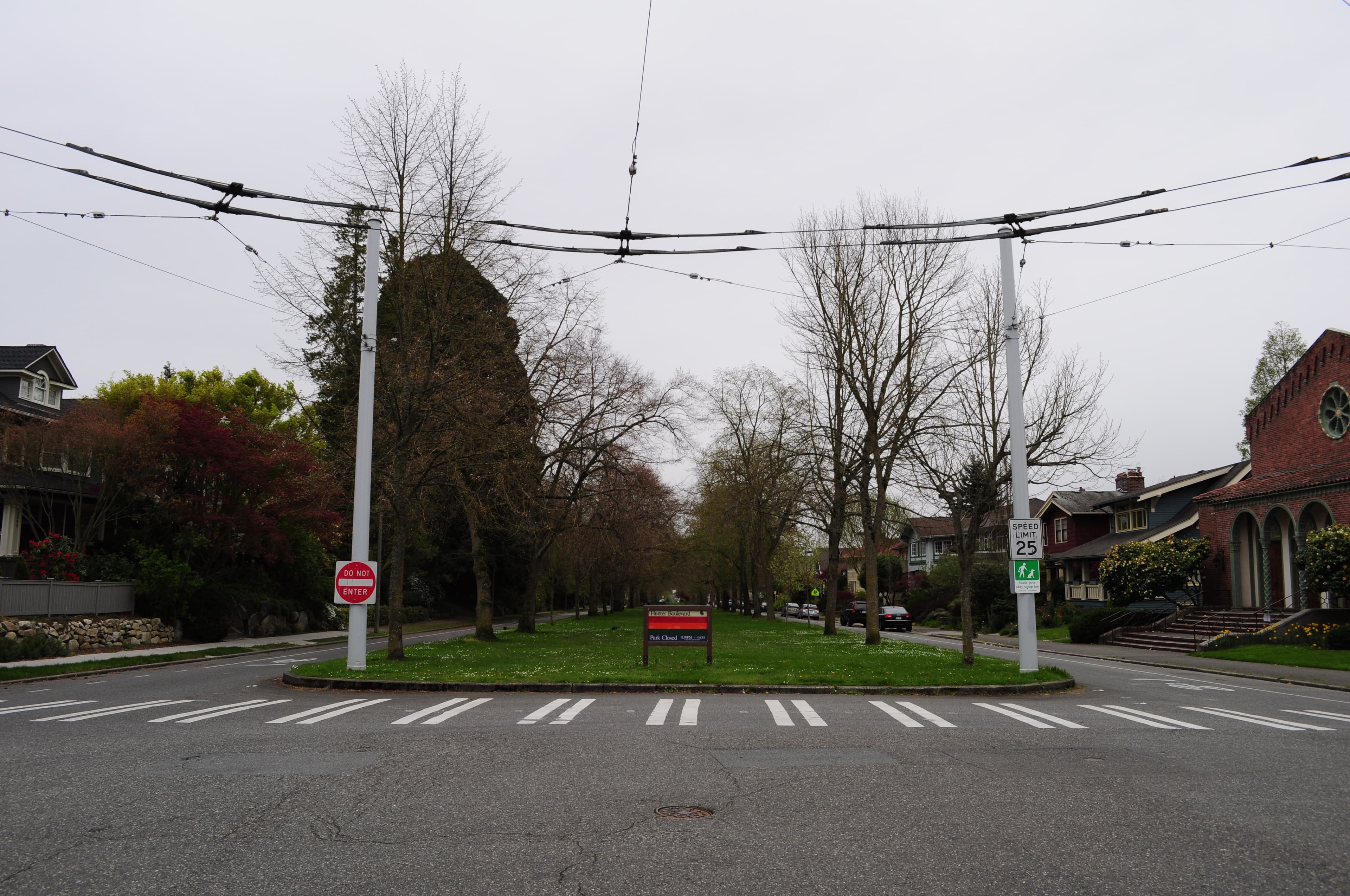
Photo: Joe Mabel, CC BY-SA 3.0, via Wikimedia Commons
Why Mount Baker Moves Are Unique
Curving Olmsted Boulevards
Streets follow the hillside's natural contours rather than a grid — beautiful, but it means GPS routing and truck navigation aren't always intuitive.
A Real Historic District
Much of Mount Baker is listed on the Washington Historic Register. Some homes are a century old, with the narrower stairways and basements that come with the era.
Hillside Grades
The neighborhood slopes down toward Lake Washington, and some streets have real grade — worth flagging to your movers.
Lake Access at the Bottom
Mount Baker Park and Mount Baker Beach sit at the base of the hill, drawing summer weekend crowds to the streets closest to the water.
Mount Baker Building Types & What to Expect
🏛️ Historic Mansions (Early 1900s)
The grandest homes in the neighborhood, built during Mount Baker's original Olmsted-era development. Large lots, often with significant square footage and multiple stories.
Moving difficulty: ⭐⭐⭐ (Medium) — Larger homes mean more volume; older construction means narrower original stairways in places.
🏠 Craftsman Bungalows
The more modest, working-class counterpart to the mansions — full basements, driveways or street parking, and real character.
Moving difficulty: ⭐⭐ (Low–Medium) — Standard for the era; budget time for a full basement.
🏘️ Newer Infill Homes
A smaller share of newer construction fills in occasional lots, especially outside the core historic district boundaries.
Moving difficulty: ⭐⭐ (Low–Medium) — Standard modern access.
The Biggest Mount Baker Moving Challenges
1. Curving, Non-Grid Streets
The Olmsted-designed boulevards follow the hillside rather than a grid, which can confuse GPS routing and make a first-time driver's approach less direct than expected.
How to handle it: Share the exact address and any known routing quirks with your movers ahead of time rather than relying purely on GPS.
2. Hillside Grades
Streets closer to the lake slope down the hillside, affecting truck positioning and furniture carries on some blocks.
How to handle it: Flag any real grade on your street so your crew can plan ramps and dolly routes.
3. Historic District Buildings
Century-old mansions and bungalows can have narrower original stairways and doorways than a modern build.
How to handle it: Measure your largest furniture against doorways and stairwells before moving day.
4. Summer Beach Traffic
Mount Baker Park and the beach at the base of the hill draw crowds on warm weekends, adding traffic to the closest residential streets.
How to handle it: If you're near the park or beach, a weekday move avoids the crowds entirely.
Mount Baker Areas — Quick Guide
The Olmsted Historic Core
Curving boulevards like Hunter Boulevard and Lake Park Drive, lined with the neighborhood's grandest historic homes.
Lakefront Blocks
Closest to Mount Baker Park and the beach — the most traffic-affected part of the neighborhood on summer weekends.
Upper Mount Baker (toward Rainier Ave)
Further from the water, with a mix of Craftsman bungalows and some newer infill. Generally easier parking.
Moving to or From Mount Baker?
We know Mount Baker's Olmsted boulevards, historic homes, and lakefront traffic. Get a free quote within 24 hours, no obligation.
Insider Tips for a Smooth Mount Baker Move
Share your exact address and any routing notes ahead of time
The curving, non-grid streets can trip up GPS routing. A heads-up from you saves your movers time finding the right approach.
Flag hillside grade on your street
Some blocks slope noticeably toward the lake. Let your crew know so they can plan accordingly.
Measure doorways in historic homes
Century-old mansions and bungalows can have narrower original stairways than a modern build. Check your largest furniture ahead of time.
Avoid summer weekends near the beach
Mount Baker Park and the beach draw real crowds on warm days. A weekday move sidesteps the traffic entirely.
Ask your movers if they know the Olmsted street layout
Experience with the neighborhood's curving boulevards genuinely speeds up a move here.
Budget extra time for larger historic homes
The neighborhood's grander properties mean more volume to move — an accurate inventory helps your movers size the crew correctly.
What a Mount Baker Move Actually Costs
Mount Baker moves often run a bit above the Seattle average — the neighborhood's larger historic homes mean more to move than a typical apartment or bungalow.
| Move Type | Estimated Cost | Typical Duration |
|---|---|---|
| 2-Bed Craftsman bungalow | $1,220–$1,830 | 4–6 hours |
| 3-Bed house | $1,950–$3,120 | 5–8 hours |
| Newer infill home | $1,220–$1,830 | 4–6 hours |
| Historic mansion/large lakefront home | $3,325–$5,700+ | 7–12 hours |
Note: Home size is the biggest cost driver here — Mount Baker's historic properties often run larger than a comparable move elsewhere in Seattle. For full Seattle pricing, see our complete cost guide.
Frequently Asked Questions
Is Mount Baker a good neighborhood to move to in 2026?▼
Mount Baker is one of Seattle's most architecturally distinctive neighborhoods — curving, tree-lined boulevards designed by the Olmsted Brothers starting in 1905, Lake Washington views, and a housing stock that ranges from grand mansions to old working-class bungalows. A large part of the neighborhood is listed on the Washington Historic Register.
Why are Mount Baker's streets curved instead of a grid?▼
The neighborhood was designed after 1905 by the Olmsted Brothers landscape architecture firm, hired by developer J.C. Hunter to lay out curving boulevards that follow the hillside's natural contours — it was the first Seattle neighborhood built into the Olmsted comprehensive parks and boulevards plan.
What's parking like in Mount Baker?▼
Generally manageable — the neighborhood is mostly single-family homes with driveways. Streets right along the Olmsted boulevards can be busier with through traffic and park visitors on nice days.
When's the best time to move in Mount Baker?▼
Weekday mornings work well throughout the neighborhood. If your address is near Mount Baker Park or the beach, avoid summer weekends when park visitors add traffic.
Are Mount Baker moves harder than other Lake Washington neighborhoods?▼
The curving Olmsted-era streets and hillside grades add a bit of route complexity compared to a standard grid neighborhood, but the housing stock and logistics are broadly similar to Madison Park or other lake-adjacent areas.
Get Movers Who Know Mount Baker
Free quotes from movers experienced with Mount Baker's historic homes and Olmsted boulevards. No spam, no obligation.
Written by the SeattleMoversGuide team
Local moving industry professionals who know Mount Baker's historic homes and Olmsted-era streets. From Craftsman bungalows to lakefront mansions — we've moved them all.