Beacon Hill Moving Guide
A long ridge of Craftsman bungalows running between I-5 and Rainier Valley, with real hills, real diversity, and a light rail station that puts downtown 10 minutes away. Here's your insider guide to moving in Beacon Hill.
Beacon Hill runs as a long, pea-pod-shaped ridge from I-90 down to Boeing Field, with I-5 forming the western edge and Rainier Valley to the east. It's one of Seattle's most culturally diverse neighborhoods, and Craftsman bungalows are still the dominant style on most residential blocks.
The neighborhood splits into three informal sections — North, Mid, and South Beacon Hill — and the terrain changes as you move through them. North Beacon Hill, around Beacon Ave S and the light rail station, is flat and walkable. Elsewhere, real hillside grades come into play, especially near the edges overlooking I-5.
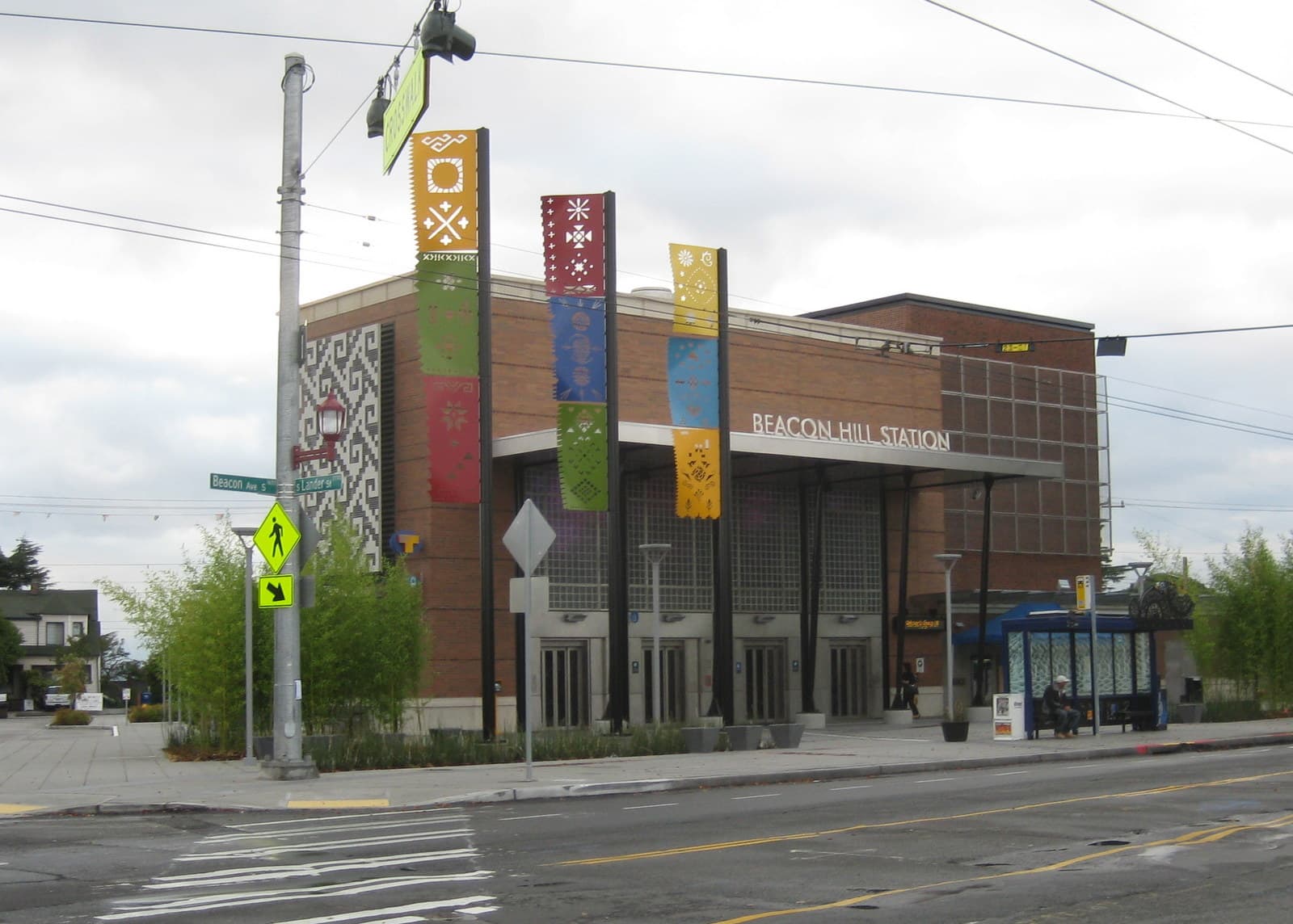
Photo: Lumpytrout, CC BY-SA 3.0, via Wikimedia Commons
Why Beacon Hill Moves Are Unique
Real Hillside Grades
Beacon Hill is a genuine ridge, not just a name. Streets near the edges overlooking I-5 and Rainier Valley have real slope — steeper driveways and more careful truck positioning than a flat neighborhood.
Craftsman Bungalow Core
Most residential blocks are still lined with early-1900s Craftsman bungalows — a basement, an original narrow stairway, and street parking as the default.
Light Rail Station Parking Pressure
North Beacon Hill, right around Beacon Hill Station, sees commuter park-and-ride behavior on weekdays that competes with residential street parking.
Limited I-5 Crossings
Getting off the hill toward downtown or First Hill means using one of a handful of specific bridges or interchanges — worth knowing before you plan your moving route.
Beacon Hill Building Types & What to Expect
🏠 Craftsman Bungalows (Early 1900s)
The predominant Beacon Hill home — one to one-and-a-half stories, a full basement, and often a slight grade to the lot itself. Street parking is standard on most blocks.
Moving difficulty: ⭐⭐ (Low–Medium) — Straightforward on flatter blocks; steeper lots need extra care positioning the truck.
🏘️ Transit-Oriented Townhomes & Infill (2010s–Present)
New construction has concentrated around North Beacon Hill near the light rail station — narrow-lot townhomes and small multifamily buildings replacing older single-family lots.
Moving difficulty: ⭐⭐⭐ (Medium) — Multiple floors and a tight footprint; a 3-person crew helps on the narrower units.
🏢 Small Apartment Buildings (North Beacon Hill)
Scattered low-rise apartment buildings cluster closest to Beacon Ave S and the station. Some have small parking lots; most rely on street parking that's shared with commuters.
Moving difficulty: ⭐⭐ (Low–Medium) — Access is usually easy; the main issue is finding a spot for the truck near the station.
The Biggest Beacon Hill Moving Challenges
1. Hillside Grades on Some Streets
Beacon Hill isn't uniformly flat — streets closer to the edges overlooking I-5 and Rainier Valley have real slope, which affects truck positioning and can make furniture carries steeper than expected.
How to handle it: Let your movers know if your block has any real grade so they can plan ramps and dollies accordingly.
2. Commuter Parking Near the Station
North Beacon Hill's proximity to light rail means weekday commuter park-and-ride activity eats into the same street parking a moving truck would use.
How to handle it: If you're near the station, plan for an early start before the morning commute fills the block, or scout parking the day before.
3. Limited Routes Off the Hill
Beacon Hill connects to the rest of the city through a specific set of bridges and interchanges over I-5. At rush hour, these can back up quickly.
How to handle it: If your move involves a long-distance leg through downtown or I-5, avoid scheduling the drive during peak commute hours.
4. Older Basement Access
Like most of Seattle's early-1900s housing stock, Beacon Hill bungalows typically have a full basement with narrower, steeper original stairs than a modern build.
How to handle it: Budget extra time if you're moving anything out of the basement — it's usually the slowest part of the job.
Beacon Hill Areas — Quick Guide
North Beacon Hill
The most walkable section, centered on Beacon Ave S and the light rail station. Flatter terrain, but the busiest for weekday commuter parking.
Mid-Beacon Hill
Mostly residential, home to Jefferson Park. A mix of flat and sloped streets — check your specific block before moving day.
South Beacon Hill
Quieter and more affordable, closer to Boeing Field. Generally easier parking and less competition for curb space than the station area.
Moving to or From Beacon Hill?
We know Beacon Hill's hillside streets, bungalow basements, and station-area parking. Get a free quote within 24 hours, no obligation.
Insider Tips for a Smooth Beacon Hill Move
Tell your movers if your block has real grade
Not every Beacon Hill street is flat. A heads-up on hillside grade lets your crew plan ramps and dolly routes ahead of time instead of improvising.
If you're near the station, start early
Commuter parking fills up fast on weekday mornings near Beacon Hill Station. An early start beats the rush.
Avoid rush hour if your route crosses I-5
Beacon Hill connects to the rest of Seattle through a limited number of bridges and interchanges — they back up quickly at peak commute times.
Budget real time for basement moves
Most Craftsman bungalows here have full basements with narrow original stairs. It's consistently the slowest part of a Beacon Hill move.
Scout parking on your specific block
North Beacon Hill and South Beacon Hill have very different parking situations. Check your actual block a day ahead rather than assuming.
For townhomes near the station, confirm building access rules
Some of the newer transit-oriented buildings have their own move-in windows or loading restrictions — check with the property manager before moving day.
What a Beacon Hill Move Actually Costs
Beacon Hill moves generally track the Seattle average. Hillside blocks and full-basement bungalows can add some time compared to a flat, garage-equipped home.
| Move Type | Estimated Cost | Typical Duration |
|---|---|---|
| Studio/1-Bed apartment | $440–$660 | 2–3 hours |
| 2-Bed townhome (near station) | $915–$1,525 | 3–5 hours |
| Craftsman bungalow (with basement) | $915–$1,525 | 3–5 hours |
| Hillside home (steep lot) | $1,220–$1,830 | 4–6 hours |
| 3–4 Bed house | $1,950–$3,120 | 5–8 hours |
Note: Steep-lot homes and full-basement bungalows both add time over a flat, garage-equipped move. For full Seattle pricing, see our complete cost guide.
Frequently Asked Questions
Is Beacon Hill a good neighborhood to move to in 2026?▼
Beacon Hill was named one of the American Planning Association's 30 Great Places in America for its walkable main street and cultural diversity. Craftsman bungalows are the dominant style, home prices run below the Seattle median, and Beacon Hill Station puts downtown about 10 minutes away.
What's parking like on Beacon Hill?▼
It varies a lot by area. North Beacon Hill, right around the light rail station, sees commuter park-and-ride pressure on weekdays. Mid and South Beacon Hill are more residential and generally easier.
Is Beacon Hill hilly? Does that affect moving?▼
Yes — it's a long ridge, and some streets have real grade, especially closer to the edges overlooking I-5 and Rainier Valley. Most of North Beacon Hill around the station is flatter and more walkable.
When's the best time to move on Beacon Hill?▼
Weekday mornings, away from station-area commuter parking. If your route depends on crossing I-5, avoid rush hour — the bridge crossings connecting Beacon Hill to the rest of the city get busy at peak times.
Are Beacon Hill moves harder than Columbia City?▼
About the same overall, with more hills. Both neighborhoods share Craftsman-era housing stock and light rail access; Beacon Hill's terrain is the main added variable.
Get Movers Who Know Beacon Hill
Free quotes from movers experienced with Beacon Hill's hills, bungalow basements, and station-area parking. No spam, no obligation.
Written by the SeattleMoversGuide team
Local moving industry professionals who know Beacon Hill's streets, hills, and building types. From station-area townhomes to hillside bungalows — we've moved them all.