University District Moving Guide
40,000+ UW students, a light rail station that opened in 2021, and two annual windows where the whole neighborhood turns over at once. Here's your insider guide to moving in the U-District.
The University District is built around the University of Washington, and it shows — University Way NE, known to everyone as "The Ave," is lined with restaurants, bookstores, and coffee shops within walking distance of campus. U District Station opened on the Link light rail's Northgate extension in 2021, putting downtown, Capitol Hill, and Sea-Tac all a short ride away.
The neighborhood's defining feature for movers isn't a hill or a bridge — it's the calendar. With tens of thousands of students on annual leases, early June and late August through early September bring a wave of move-outs and move-ins that doesn't happen anywhere else in Seattle at this scale.
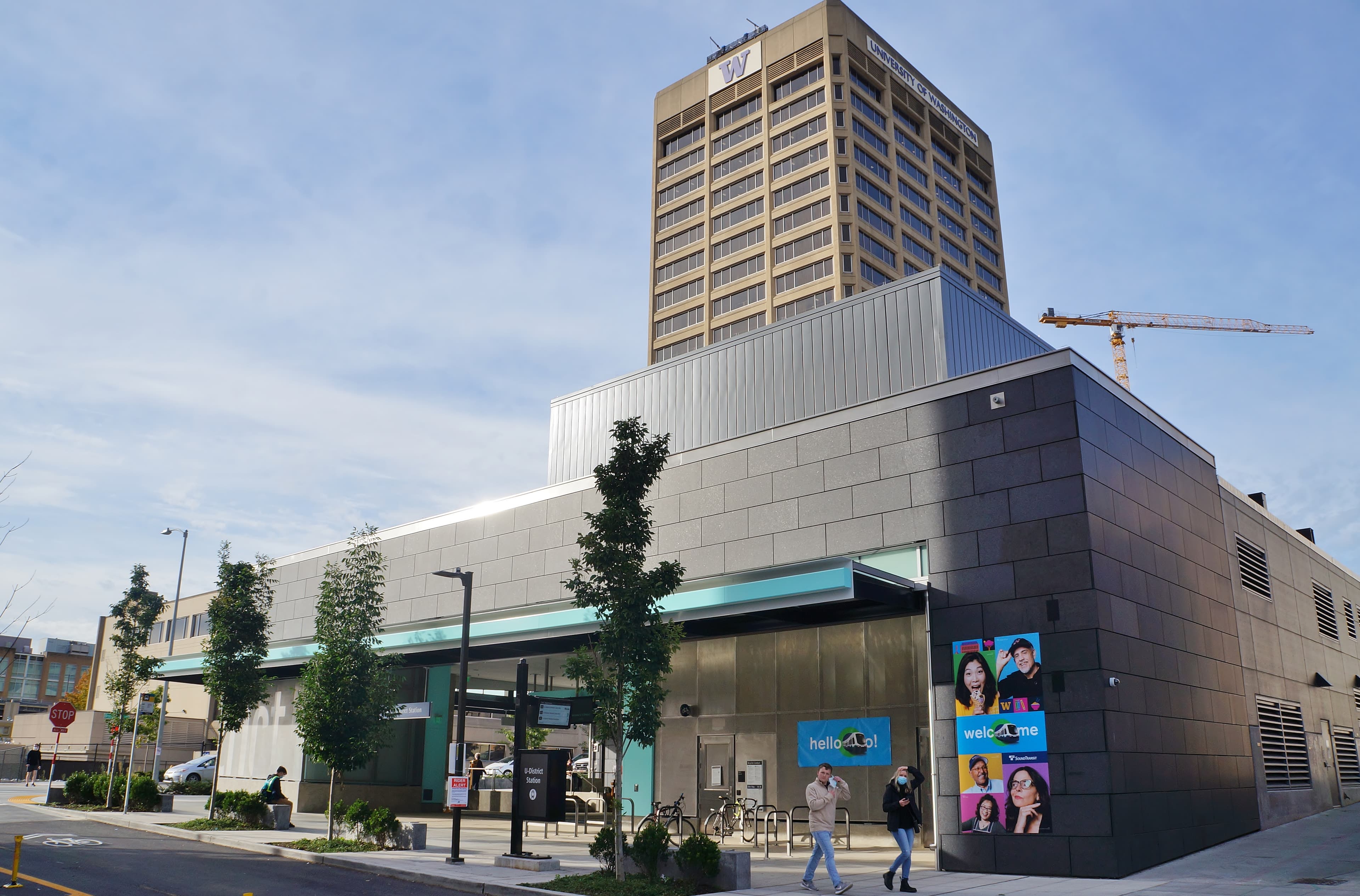
Photo: SounderBruce, CC BY-SA 4.0, via Wikimedia Commons
Why U-District Moves Are Unique
Student Move Season
Early June and late August through early September bring a concentrated wave of lease turnovers — higher rates, less mover availability, and real competition for loading zones.
The Ave's Density
University Way NE is the commercial heart of the neighborhood — narrow, busy, and short on loading space, especially with restaurant and retail deliveries sharing the same curb.
Light Rail Station Growth
U District Station, opened in 2021, has driven new mid-rise apartment construction nearby — a different building type than the older stock closer to The Ave.
Game Day Traffic
Husky Stadium is close by, and UW football Saturdays bring significant traffic and parking pressure to the surrounding blocks during the fall season.
U-District Building Types & What to Expect
🏢 Older Apartments Near The Ave
Older, more affordable buildings close to University Way NE — often walk-ups with narrow stairwells, built decades before the neighborhood's recent growth.
Moving difficulty: ⭐⭐⭐ (Medium) — No elevator is common; narrow stairwells add time.
🏗️ New Construction Near the Light Rail Station
Modern mid-rise buildings have gone up near U District Station since it opened, commanding premium rents and offering elevators and defined loading areas.
Moving difficulty: ⭐⭐ (Low–Medium) — Straightforward once the elevator is reserved.
🏛️ Greek Row Houses
Historic fraternity and sorority houses cluster in blocks north and west of campus — large, older buildings with their own move-in/move-out schedules tied to the academic calendar.
Moving difficulty: ⭐⭐⭐ (Medium) — Coordinate timing carefully; these buildings see the heaviest concentrated turnover of anywhere in the neighborhood.
🏠 Single-Family Homes (Outer Blocks)
Toward Ravenna and the neighborhood's northern edge, single-family homes and small multifamily buildings replace the dense student housing closer to campus.
Moving difficulty: ⭐⭐ (Low–Medium) — Standard for the housing type; easier parking than near campus.
The Biggest U-District Moving Challenges
1. Student Move Season Demand Spike
Early June and late August through early September concentrate an enormous share of the neighborhood's annual moves into a few weeks — mover availability drops and rates climb.
How to handle it: If your move date is flexible, avoid these windows entirely. If it's not, book your movers well in advance — last-minute availability during peak season is genuinely scarce.
2. Limited Loading Space on The Ave
University Way NE is narrow and busy, with restaurant and retail deliveries competing for the same curb space a moving truck needs.
How to handle it: If you're right on The Ave, a weekday morning move avoids the worst of the foot and delivery traffic.
3. Game Day Congestion
UW home football games bring heavy traffic and parking pressure to the streets around Husky Stadium and the broader campus area on fall Saturdays.
How to handle it: Check the UW football schedule before locking in a fall moving date.
4. Walk-Up Buildings With No Elevator
A lot of the older housing stock near The Ave predates elevators entirely — narrow stairwells are the norm, not the exception.
How to handle it: Let your movers know ahead of time if you're in a walk-up so they can plan crew size and timing accordingly.
U-District Areas — Quick Guide
The Ave Core
The commercial heart of the neighborhood, densest and busiest for both foot traffic and parking. Older walk-up buildings are common here.
Light Rail Station Area
The newest apartment construction in the neighborhood, centered around U District Station. Modern buildings with straightforward access.
Greek Row
Blocks of historic fraternity and sorority houses north and west of campus. Move timing is tightly tied to the academic calendar.
North U-District (toward Ravenna)
Quieter, more residential, with single-family homes and small multifamily buildings. Easier parking than closer to campus.
Moving to or From the U-District?
We know student move season, Ave loading zones, and walk-up buildings. Get a free quote within 24 hours, no obligation.
Insider Tips for a Smooth U-District Move
Avoid early June and late August through early September if you can
These windows see the heaviest demand of the year. Moving in October through May gets you better rates and easier mover availability.
Book well ahead if you must move during peak season
Last-minute availability during student move season is genuinely limited. Lock in your movers as early as you can.
Check the UW football schedule for fall moves
Home game Saturdays bring real traffic and parking pressure to the streets around campus.
Tell your movers if you're in a walk-up
A lot of the older buildings near The Ave have no elevator. Knowing this ahead of time helps your crew plan accordingly.
Move on a weekday morning if you're on The Ave itself
Restaurant and retail deliveries compete for the same curb space during the day. Mornings are noticeably clearer.
Coordinate Greek house moves around the academic calendar
Fraternity and sorority move dates are tightly scheduled — confirm the exact building's timeline well before moving day.
What a U-District Move Actually Costs
U-District moves swing more by timing than almost anywhere else in Seattle — the gap between peak student season and the rest of the year is real money.
| Move Type | Off-Season (Oct–May) | Peak Season (Jun, Aug–Sep) |
|---|---|---|
| Studio/1-Bed apartment | $440–$660 | $550–$810 |
| 2-Bed walk-up (no elevator) | $915–$1,525 | $1,130–$1,830 |
| 2-Bed station-area apartment | $915–$1,525 | $1,110–$1,800 |
| Greek house / shared housing move | Varies by size | Book early |
Note: Timing your move outside student move season is the single biggest lever on cost here — often worth more than any other factor. For full Seattle pricing, see our complete cost guide.
Frequently Asked Questions
Is the University District a good place to move to in 2026?▼
The U-District is one of the most walkable, transit-connected parts of Seattle — U District Station puts downtown about 10 minutes away, and The Ave has restaurants, bookstores, and shops within a short walk of most addresses. The trade-off is student-driven move chaos every June and September.
What's parking like in the University District?▼
Tightest right around The Ave and campus, especially during student move season. Blocks further from campus, toward Ravenna or north of 55th, are noticeably easier.
When should I avoid moving in the U-District?▼
Early June, when spring quarter ends, and late August through early September, when fall quarter starts — both bring a wave of student move-outs and move-ins at once. Rates run higher and parking gets scarce during these windows.
Do U-District apartment buildings near the light rail station require an elevator reservation?▼
The newer buildings near U District Station typically do — book it with property management in advance. Older buildings along The Ave are more likely to be walk-ups with no elevator at all.
Are U-District moves harder than Capitol Hill or Ballard?▼
About the same for a typical apartment move, with an added wrinkle: student move season concentrates demand into a few weeks a year, which drives rates up and availability down far more than either of those neighborhoods sees.
Get Movers Who Know the U-District
Free quotes from movers experienced with student move season, walk-up buildings, and Ave loading zones. No spam, no obligation.
Written by the SeattleMoversGuide team
Local moving industry professionals who know the U-District's move-season rhythms, buildings, and streets. From Greek Row houses to brand-new station-area apartments — we've moved them all.