Georgetown Moving Guide
Seattle's oldest neighborhood, wedged between railroad tracks and Boeing Field, where warehouses-turned-artist-lofts sit next to working industrial buildings. Here's your insider guide to moving in Georgetown.
Georgetown was founded in 1851, which makes it Seattle's oldest neighborhood by most accounts — a blue-collar manufacturing hub along the Duwamish Waterway, bounded by the BNSF and Union Pacific rail lines, I-5, and Boeing Field, where 737s still get painted and tested. Over the past couple of decades it's also become one of Seattle's most distinctive arts districts, with old warehouses converted into lofts and studios.
That combination — working industry, converted lofts, and small residential streets, all within a few blocks of each other — means Georgetown doesn't move like a typical Seattle neighborhood. There's no dominant building type here; what you're moving into determines almost everything about the logistics.
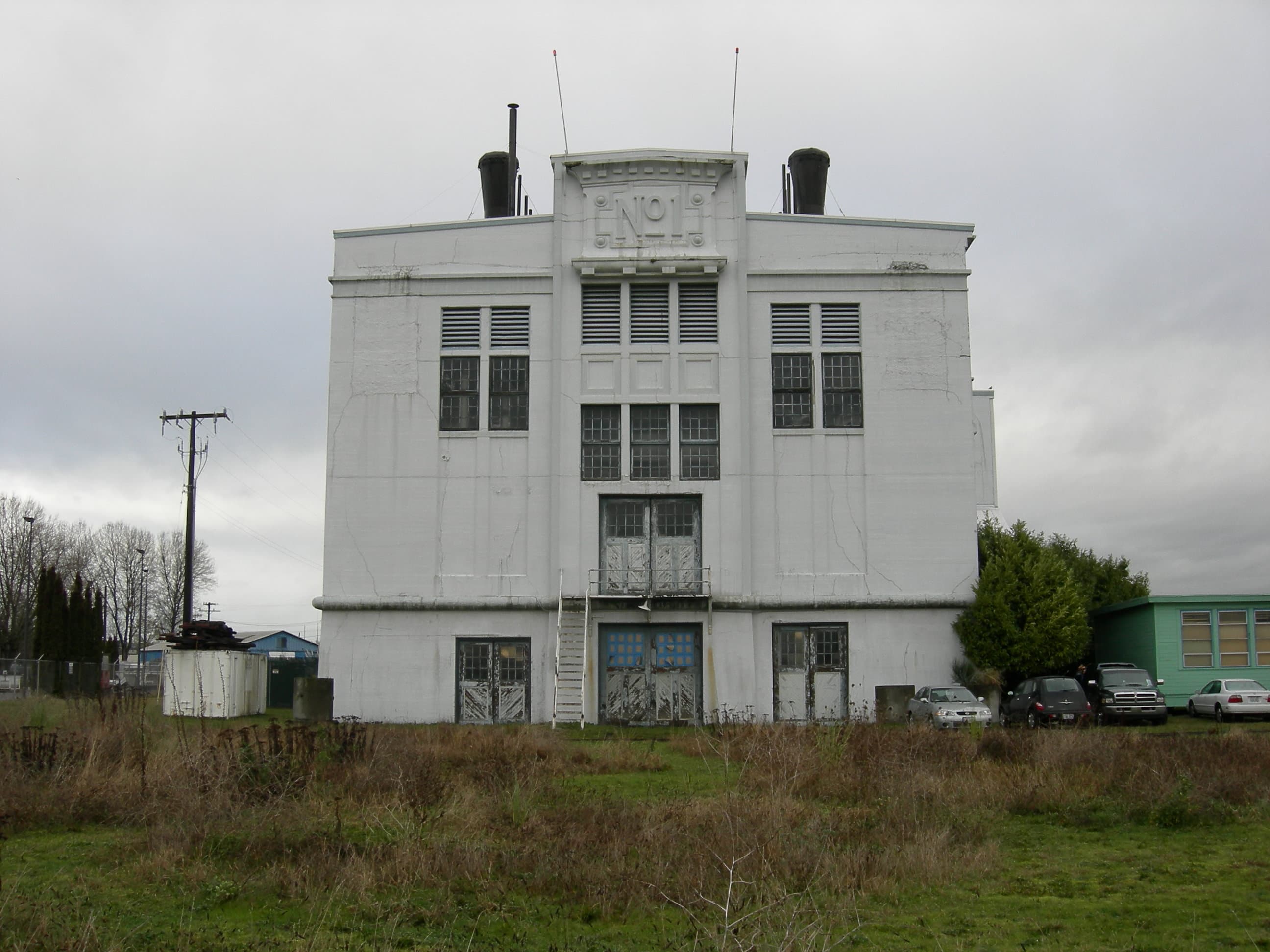
Photo: Joe Mabel, CC BY-SA 3.0, via Wikimedia Commons
Why Georgetown Moves Are Unique
Industrial & Residential, Side by Side
Small houses and converted lofts sit right next to working warehouses and manufacturing buildings — a genuinely mixed-use neighborhood in a way few others in Seattle are.
A Real Arts District
Warehouses along Airport Way S have been converted into studios and galleries. Art Attack, the monthly arts walk on the second Saturday, brings real foot traffic to the core.
Rail Lines on Two Sides
BNSF and Union Pacific mainlines run along the north edge. At-grade crossings can occasionally add a short wait for a moving truck.
Freight Elevator Variability
Converted warehouse lofts don't follow a standard — some have working freight elevators, some don't. Always confirm with building management first.
Georgetown Building Types & What to Expect
🏠 Small Single-Family Cottages (Early-Mid 1900s)
Modest, working-class-era housing on Georgetown's residential side streets — usually with street parking or a small driveway.
Moving difficulty: ⭐ (Low) — Straightforward access is the norm.
🏭 Converted Warehouse Lofts
Former industrial buildings turned residential and studio space, mostly along and near Airport Way S. High ceilings, big freight doors where they exist — but elevator access is never a given.
Moving difficulty: ⭐⭐⭐ (Medium) — Confirm elevator and loading access with building management before booking movers; it varies enormously.
🏢 Newer Infill Development
A smaller but growing share of Georgetown's housing — modern townhomes and small apartment buildings filling in among the older stock.
Moving difficulty: ⭐⭐ (Low–Medium) — Standard modern access.
The Biggest Georgetown Moving Challenges
1. Unpredictable Loft Access
Converted warehouse buildings don't follow a standard — freight elevator availability, loading dock access, and even doorway sizes vary building to building.
How to handle it: Call your building manager before booking movers and confirm exactly what access you'll have.
2. Rail Crossings
The BNSF and Union Pacific mainlines run along Georgetown's north edge, and at-grade crossings can occasionally hold up traffic, including a moving truck.
How to handle it: Build a small buffer into your moving-day schedule if your route crosses the tracks.
3. Art Attack Weekend Traffic
On the second Saturday of the month, the arts corridor along Airport Way S gets busy with the neighborhood's monthly gallery walk.
How to handle it: If your address is near the arts district, avoid scheduling a move on Art Attack Saturday.
4. Industrial Neighbors
Working warehouses and manufacturing buildings share the same streets as residential addresses — occasional freight truck traffic is part of daily life here.
How to handle it: Not usually a real obstacle, but worth a heads-up to your movers if your street sees regular commercial truck traffic.
Georgetown Areas — Quick Guide
Old Georgetown Residential Core
Small single-family cottages on quiet side streets. Generally the easiest moving logistics in the neighborhood.
Airport Way S Arts Corridor
Converted warehouses, studios, and galleries. Confirm building access ahead of time — it varies a lot here.
Industrial Edges (Near Boeing Field & the Duwamish)
Mostly working industrial space with some residential mixed in. Wide streets, generally good truck access.
Moving to or From Georgetown?
We know Georgetown's loft conversions, rail crossings, and mixed industrial streets. Get a free quote within 24 hours, no obligation.
Insider Tips for a Smooth Georgetown Move
Confirm loft access before booking movers
Converted warehouse buildings vary enormously — call ahead and find out exactly what elevator and loading access you'll actually have.
Avoid Art Attack Saturday if you're near Airport Way S
The second Saturday of the month brings real foot traffic to the arts corridor. Pick a different weekend if you can.
Build in buffer time for rail crossings
BNSF and Union Pacific trains cross Georgetown's north edge. A few extra minutes in your schedule avoids any stress if a train comes through.
Measure doorways in older loft buildings
Converted industrial spaces sometimes have unusual doorway sizes and freight openings. Confirm your largest furniture will fit before moving day.
Ask your movers if they know the neighborhood
Georgetown's mix of residential and industrial streets isn't intuitive if you've never worked here. Experience with the area helps.
Move on a weekday for the easiest experience
Generally quieter than weekends, especially if your address is anywhere near the arts district.
What a Georgetown Move Actually Costs
Georgetown moves generally run at or below the Seattle average — wide streets and lower density help — though loft conversions without elevator access can add time.
| Move Type | Estimated Cost | Typical Duration |
|---|---|---|
| Small cottage/studio | $440–$660 | 2–3 hours |
| Loft with elevator access | $915–$1,525 | 3–5 hours |
| Loft without elevator access | $1,220–$1,830 | 4–6 hours |
| 2-3 Bed house | $1,220–$1,830 | 4–6 hours |
Note: A loft conversion without a working elevator can push cost and time closer to a walk-up apartment move, regardless of the building's industrial charm. For full Seattle pricing, see our complete cost guide.
Frequently Asked Questions
Is Georgetown a good neighborhood to move to in 2026?▼
Georgetown is Seattle's oldest neighborhood — founded in 1851 — and it's become one of the city's most distinctive arts districts, with warehouses converted into lofts and studios wedged between working industrial buildings. It's not for everyone, but if you want character and space at a reasonable price, it delivers.
Is Georgetown mostly industrial or residential?▼
Both, closely mixed. Georgetown is bounded by rail lines, the Duwamish River, I-5, and Boeing Field, with small residential streets sitting right alongside working warehouses and studios — a genuinely industrial-adjacent neighborhood in a way few others in Seattle are.
What's parking like in Georgetown?▼
Generally easier than central Seattle — wide industrial streets and lower density mean more room than a typical Capitol Hill or Ballard block. The exception is during Art Attack, the neighborhood's monthly arts walk, when the core gets busy.
When's the best time to move in Georgetown?▼
Weekday mornings, avoiding Art Attack (the second Saturday of the month) if your address is near the arts corridor on Airport Way S.
Do converted warehouse lofts in Georgetown have elevators?▼
It varies a lot by building. Some conversions have freight elevators, others don't. Always confirm with your building manager before moving day.
Get Movers Who Know Georgetown
Free quotes from movers experienced with Georgetown's warehouse lofts and mixed industrial streets. No spam, no obligation.
Written by the SeattleMoversGuide team
Local moving industry professionals who know Georgetown's warehouse conversions and industrial streets. From small cottages to converted arts-district lofts — we've moved them all.